Voir les forfaits
Incrustations d'Images Graphiques
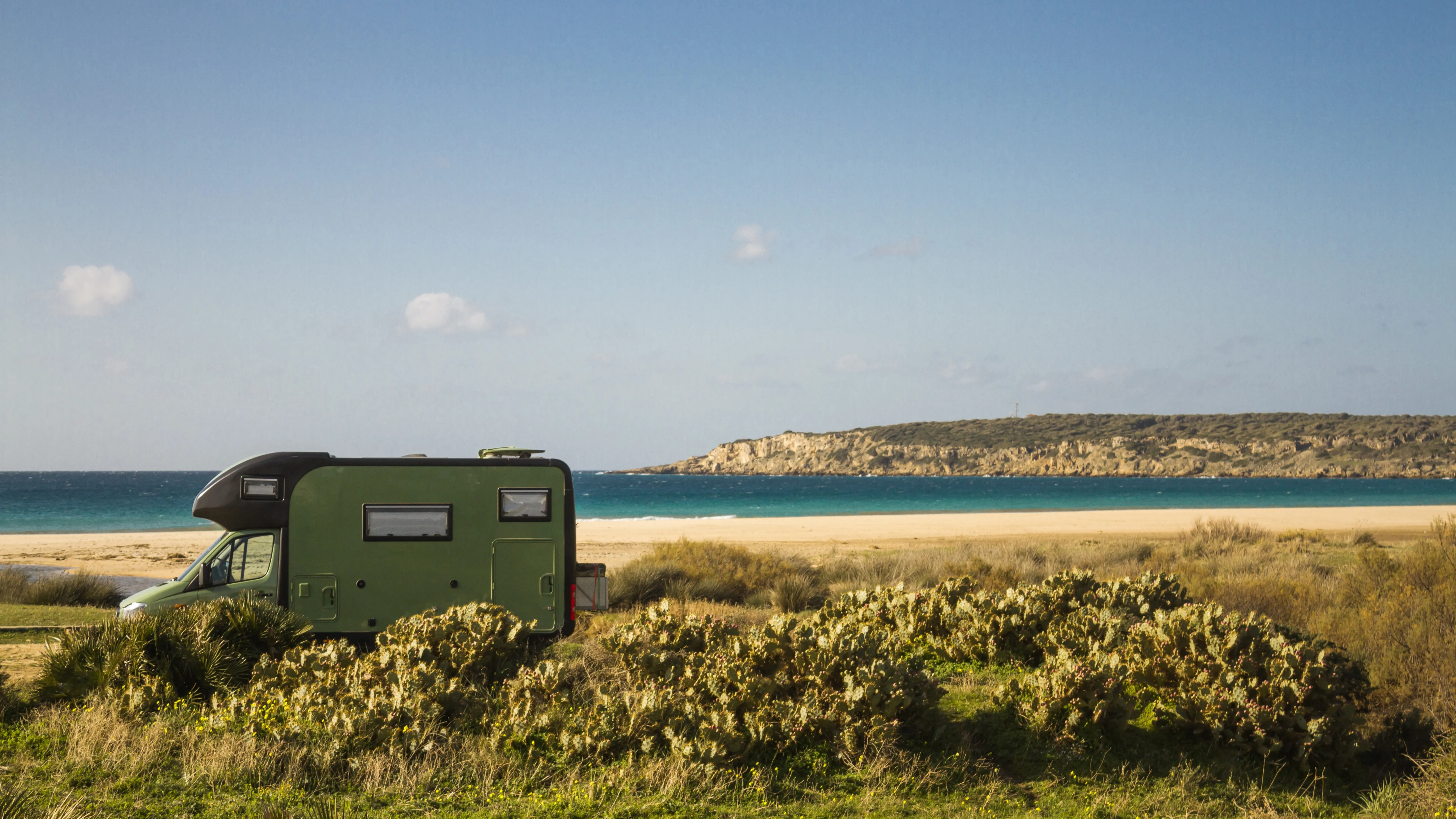
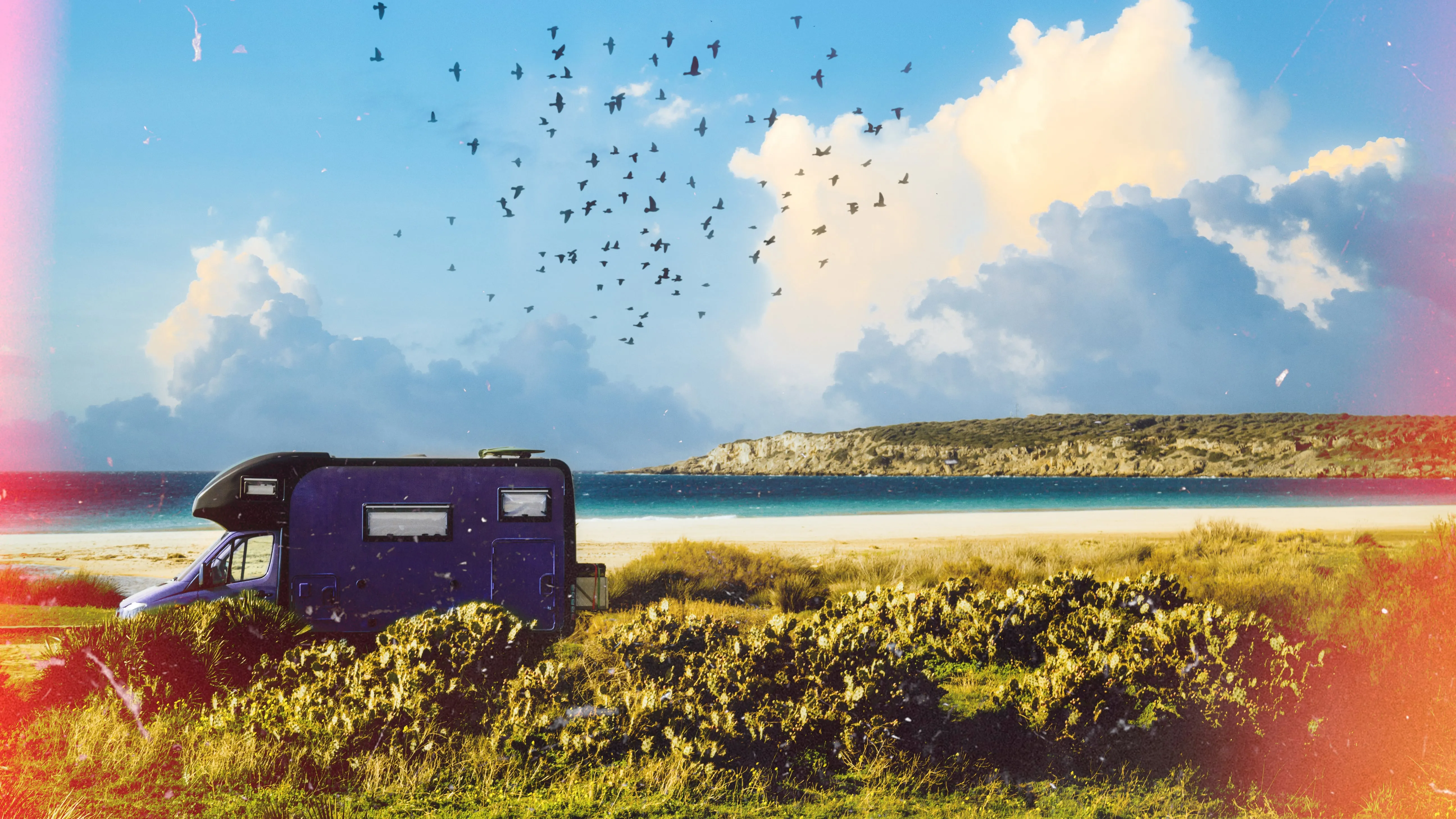
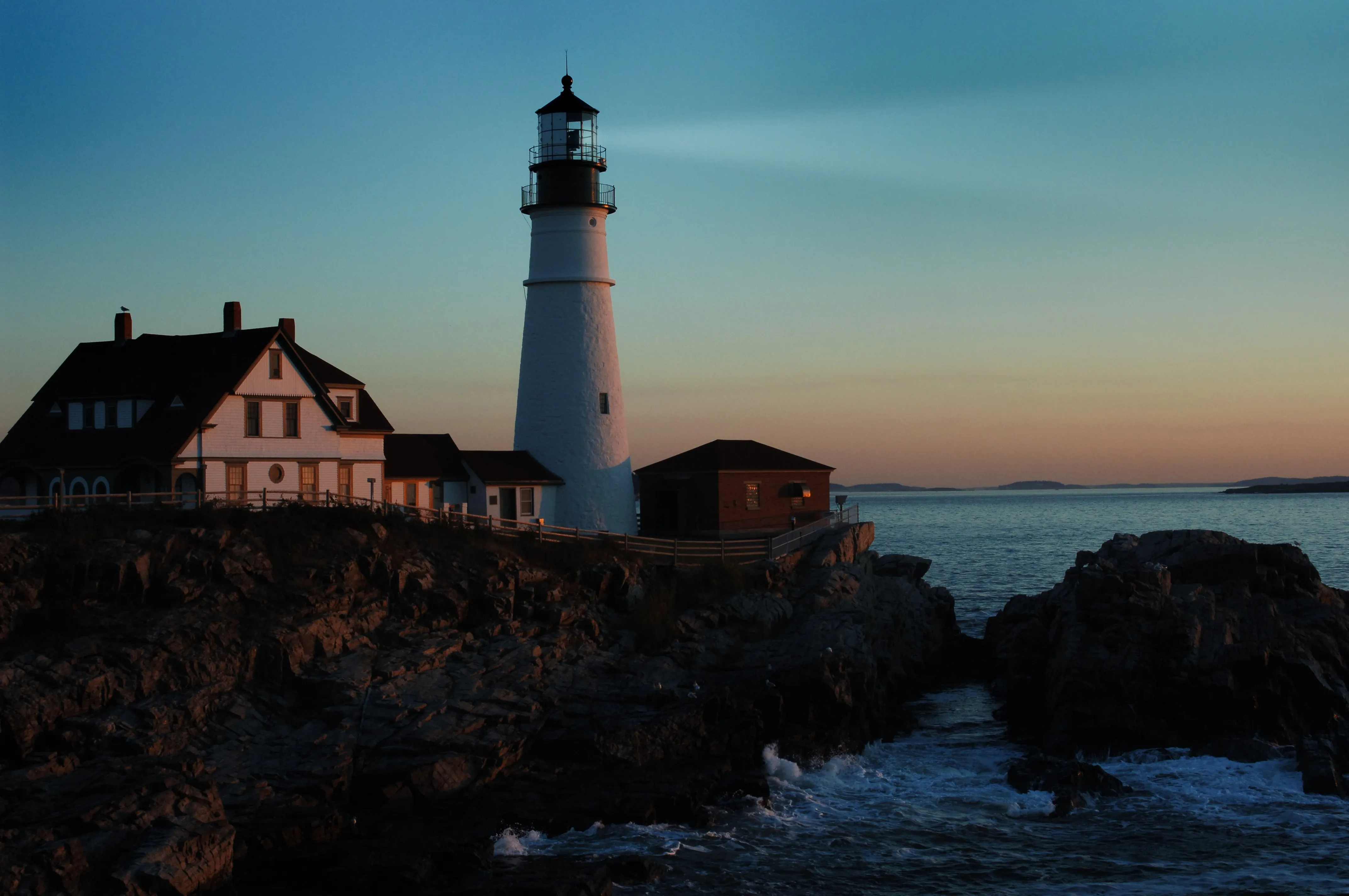
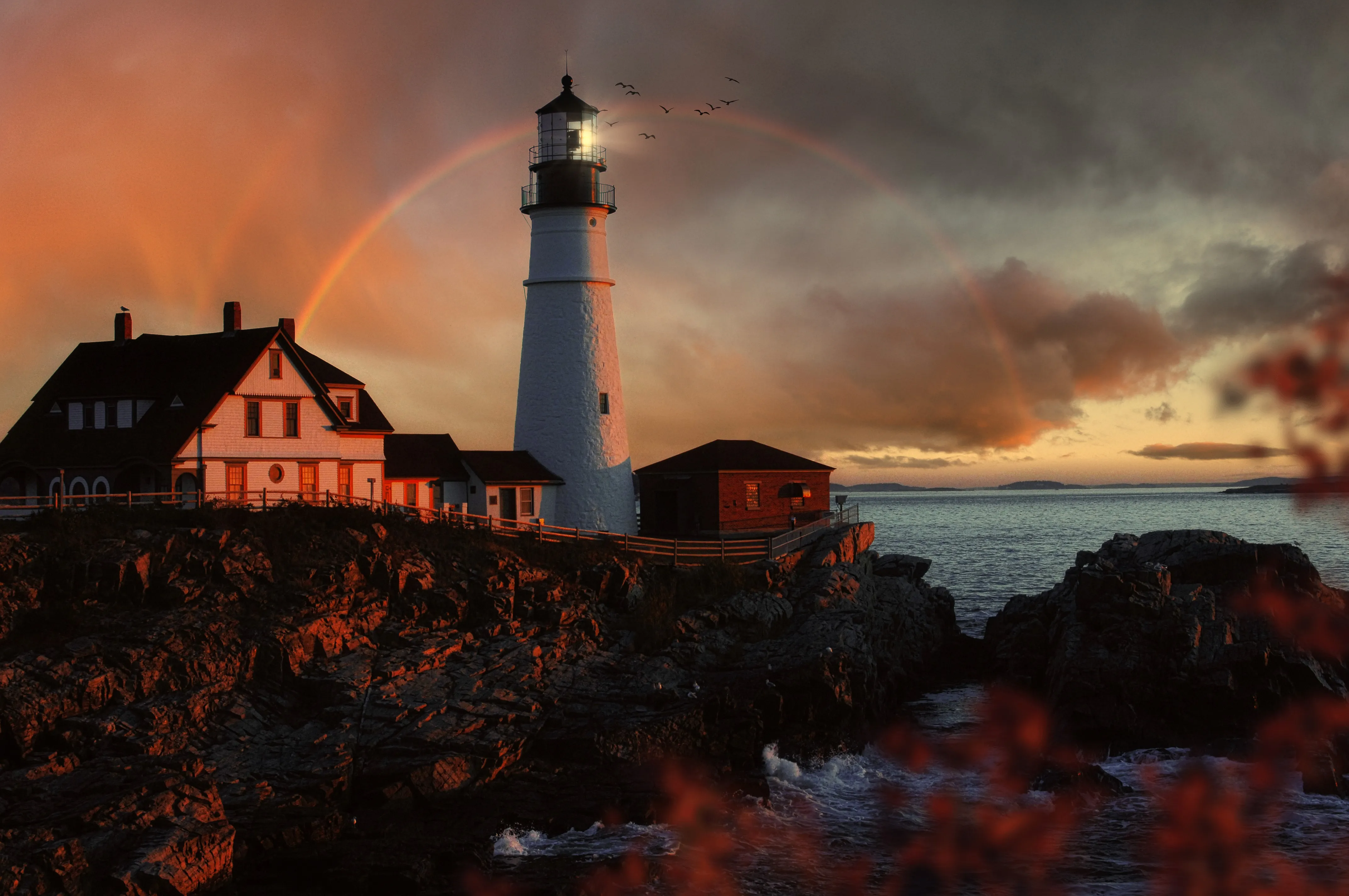
Les Incrustations désignent des éléments ou des calques additionnels superposés à une image existante afin de créer un effet désiré ou d'en améliorer le rendu visuel. Ces Incrustations peuvent inclure des textures, des motifs, des graphiques, du texte, des effets de lumière ou d'autres éléments visuels superposés à la photographie d'origine.
Voir les forfaitsComment Mélanger et Superposer Deux Images de Manière Homogène ?
Pourquoi Choisir la Superposition d'Images Pour un Effet Visuel Éclatant ?
Cette technique peut être utilisée dans l'art numérique, la conception graphique ou la photographie créative afin d'évoquer des émotions ou des messages spécifiques.

Expression Créative Grâce à la Fonction de Superposition d'Images
L'Art d'Ajouter une Image à une Autre Image et Ses Fantastiques Possibilités
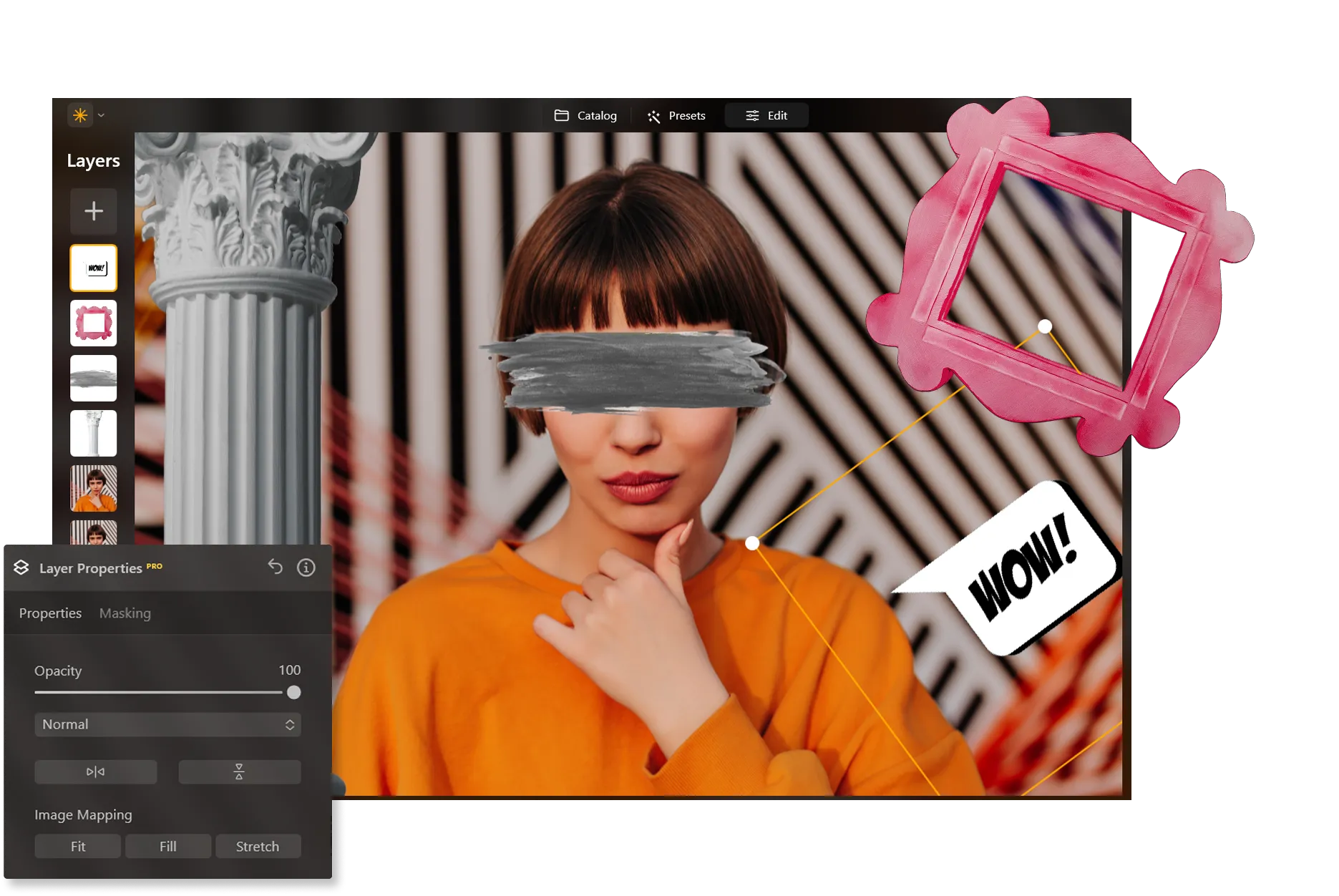
Les propriétés des calques se trouvent dans le panneau Outils. Outre le masquage, il existe différentes propriétés que vous pouvez explorer lorsque vous essayez les Incrustations de photos :

Opacité. Le curseur Opacité vous permet de réduire ou d'estomper la quantité ou la force du calque dans son ensemble. L'abaissement de l'opacité d'un calque permet d'affiner le mélange de l'image sur les calques et tous les outils appliqués sans modifier les paramètres des outils individuels séparément.

Modes de Fusion. Un mode de fusion compare le contenu de deux calques et procède à des modifications en fonction du contenu des deux calques.

Inversion Horizontale. Cette fonction de transformation vous permet d'inverser un calque horizontalement (de gauche à droite).

Inversion Verticale. Enables you to create a mirror layer vertically. It flips the content from top to bottom.

Image Mapping. Automated linking of different sections of an image
Découvrez d'autres fonctionnalités


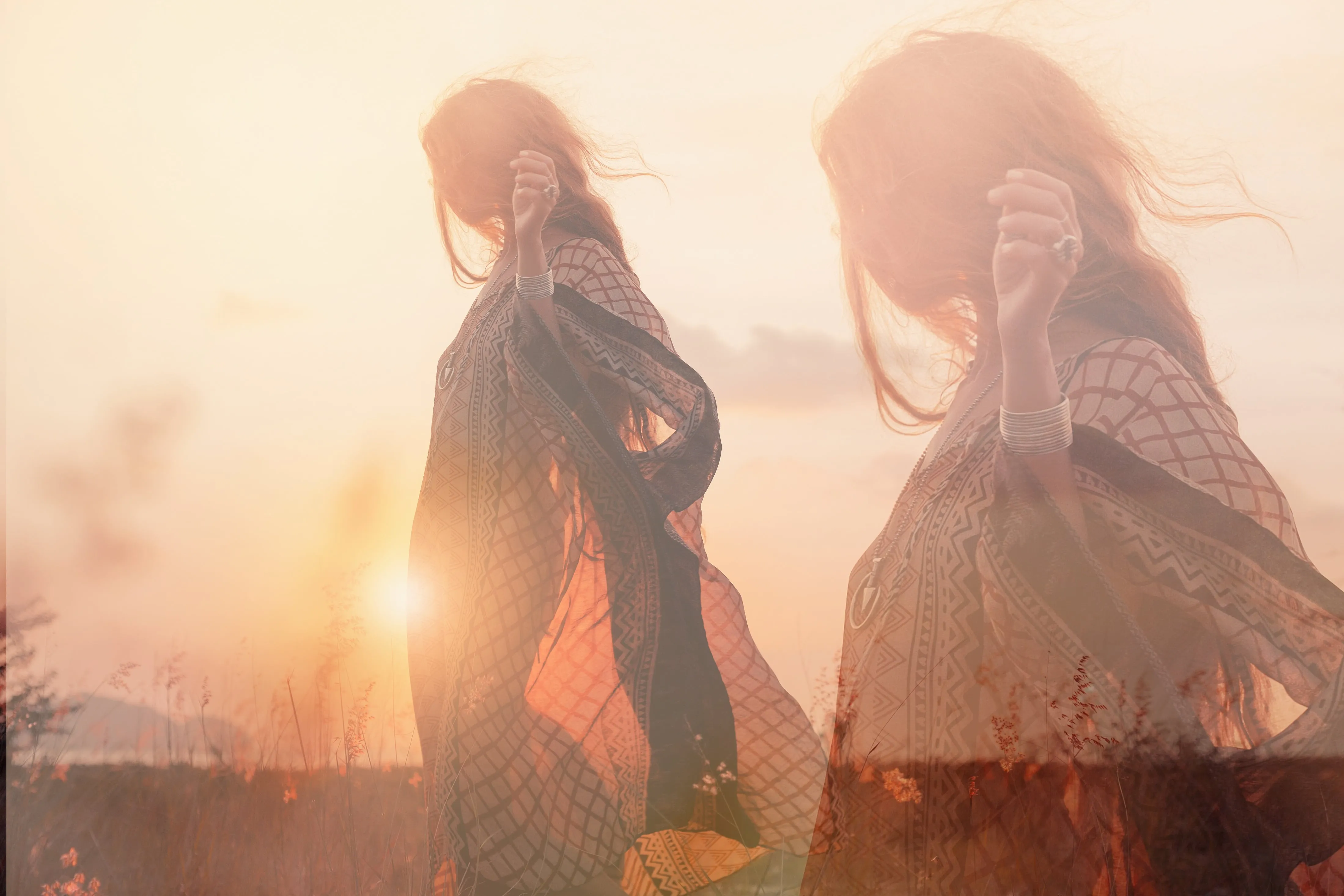
Fusionner deux images



Sepia Filter


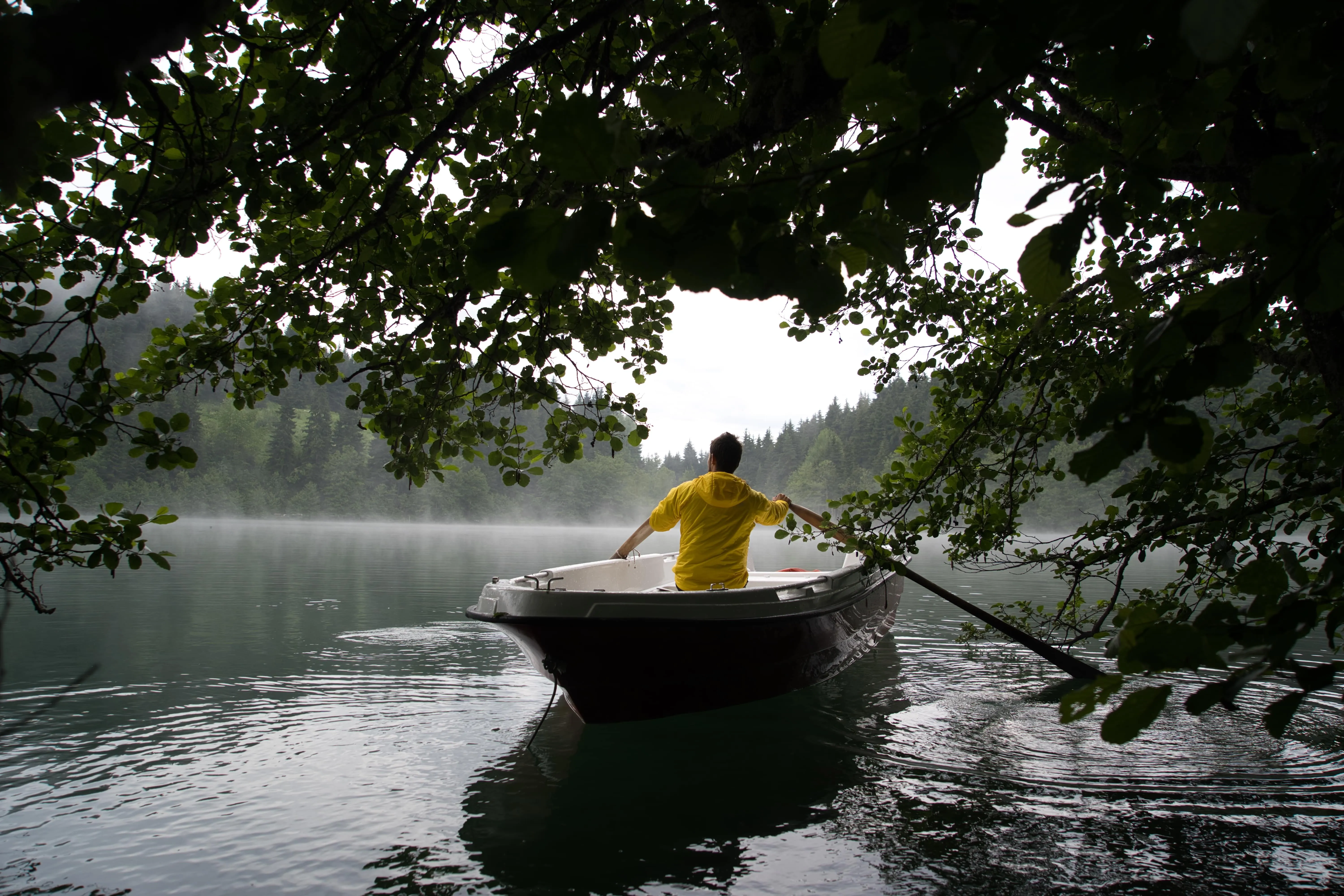
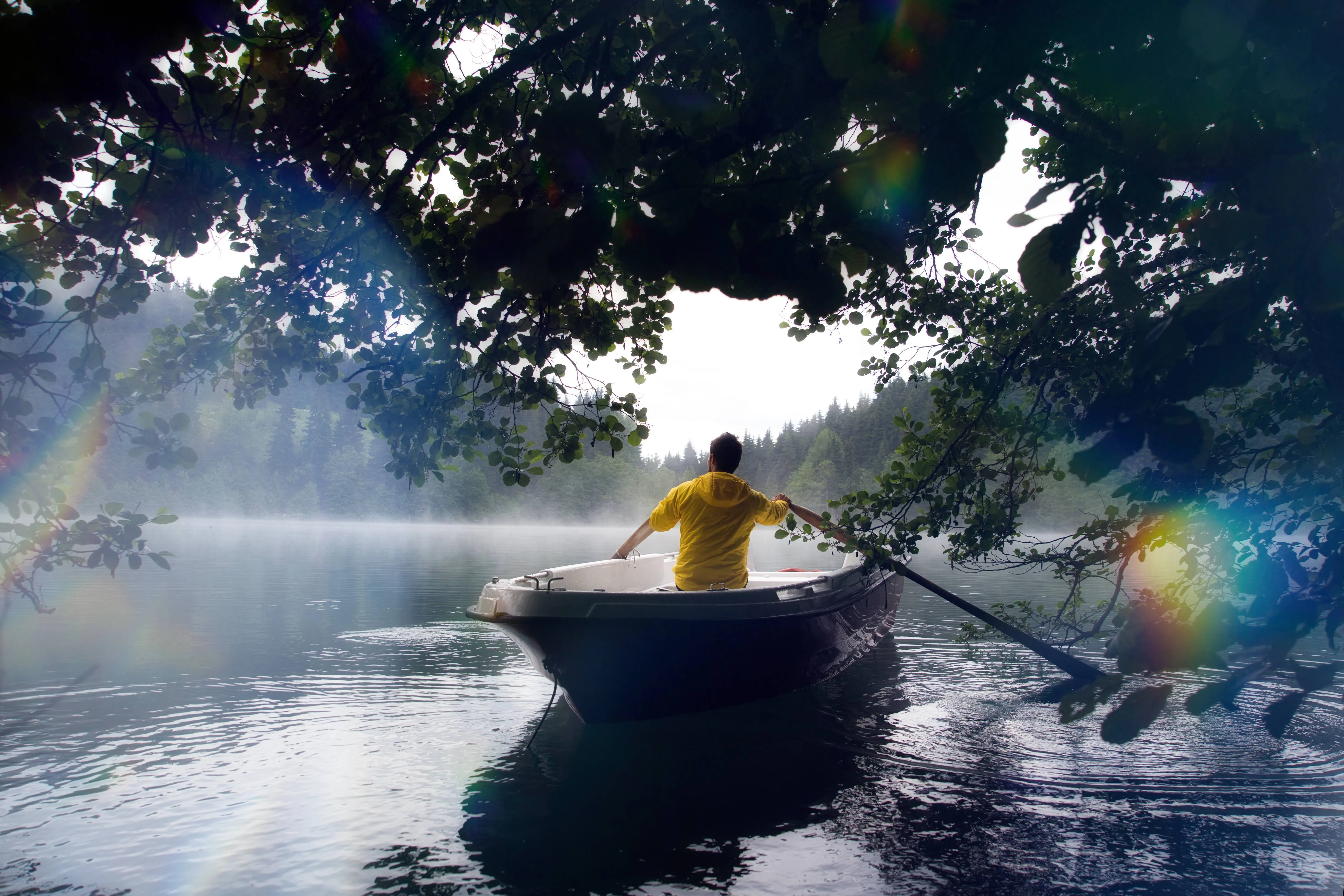
Touch Lens Flare Effect



Layer Mask

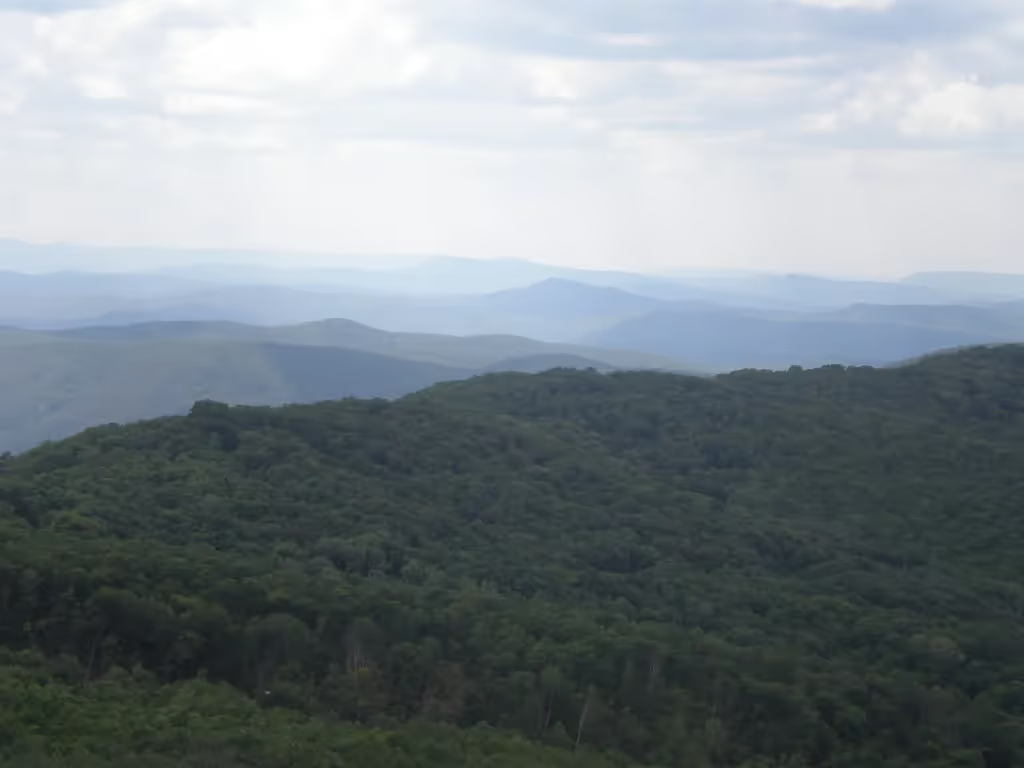
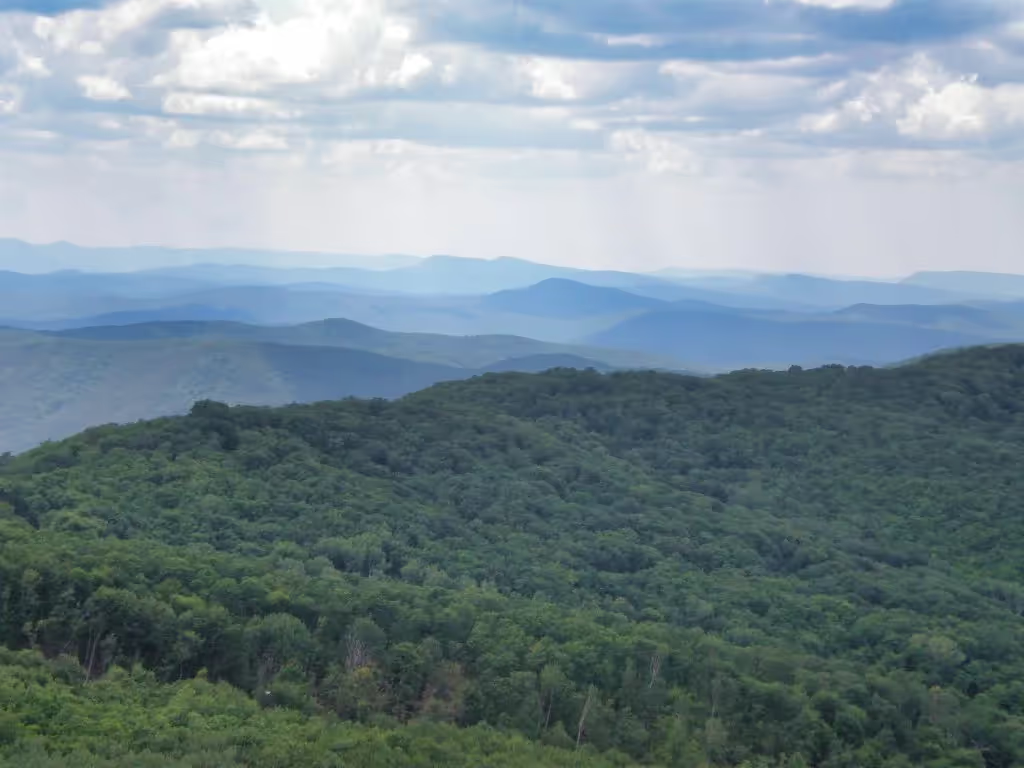
Quick Photo Editor
Application & plugin à la fois
Pour macOS & Windows
- Éditeur d'images haute performance par l'IA
Service Clients 24h/24 et 7j/7
Garantie 30 jours, satisfait(e) ou remboursé(e)
Join our communities

Foire aux Questions
What is a photo overlay?
How to put a photo on top of another photo with Luminar?
1. Open your main image in Luminar.
2. Go to the Layers tab.
3. Click the + button and choose Add New Image Layer.
4. Select the photo you want to place on top of the original image.
5. Drag, resize, and position the overlay image as needed.
6. Use Masking tools if you want to blend the two images more naturally.
7. Adjust opacity, blending, or other edits to achieve the desired effect.
With Layers, you can create collages, composites, double exposures, and other creative photo effects without leaving Luminar.
Puis-je modifier la transparence ou l'opacité de l'image incrustée ?
Puis-je supprimer ou remplacer l'image incrustée une fois qu'elle a été ajoutée à l'image originale ?
Why Luminar is the best photo editor to overlay photos?
Who can benefit from Luminar tool to layer photos?
• Photographers: create double exposures and artistic composites
• Content creators: build unique visuals for social media
• Designers: combine multiple images into a single composition
• Marketing teams: create promotional graphics and campaigns
• Digital artists: experiment with layered creative effects