TOP 10 Gemini AI Photo Editing Prompts For Better Results
December 09, 2025

Getting the look you want is easier when you use focused Gemini AI photo editing prompts that match your style. They turn vague ideas into precise edits you can rely on.
Gemini AI can change how you edit photos. It removes a lot of repetitive steps and helps you shape images with more intention. You can guide it with clear instructions and get results that match how you actually shoot. This article shares practical ideas you can adapt for portraits, products, and creative edits. Each section explains how to think about the edit, then gives a sample prompt you can copy or tweak. The goal is to help you save time without losing your style.
Why Gemini Works So Well for Photo Editing
 Gemini understands context in a way that matches real photography goals. It reads with phrasing about color, light, texture, and small corrections. That makes Gemini AI prompts for photo editing more accurate compared to simple filters. When you describe the look you want, Gemini connects that instruction to the subject and the environment. This is what makes photo editing prompts helpful for photographers who want subtlety rather than flashy effects. As long as you give clear constraints, this tool keeps the editing controlled instead of overdone.
A strong part of its workflow is how it separates the subject from the rest of the frame. That means small corrections stay small, while larger tonal changes stay balanced. You can also give instructions about what must be preserved, when you work with portraits, texture, and eye detail matter. When working with products, color accuracy becomes a top priority. When you edit outdoor shots, gradients must stay smooth. Gemini handles those details well as long as your prompt includes direct guidance.
How to Write Effective Photo Editing Prompts
 The best prompts are simple and direct. They avoid long explanations and focus on one goal at a time. Gemini can follow multiple instructions, but it performs best when your message clearly states priority. Using well-crafted Gemini photo prompts ensures your edits stay precise and predictable, whether you are adjusting color, cleanup, sharpening, or tone.
Here is what to include when you write any prompt:
Define the subject and what part of the image matters most.
Choose the main editing category: light, color, cleanup, texture, or crop.
Add limits or constraints, so the model knows how far to go.
Mention what should remain untouched.
Give one or two small numeric directions if you want predictable intensity.
This is why hybrid prompts also work. You might combine a cleanup step with a mild color correction. You only need to keep the structure clean. For example: “Enhance skin tone slightly, warm midtones by +8, keep texture natural, clean tiny distractions, avoid changes to body shape.” This type of writing helps Gemini follow your intent step by step.
Top 10 Gemini Photo Editing Prompts to Elevate Your Edits
Each prompt below focuses on one clear goal so you can guide Gemini with precision. Start with the one that matches your photo and adjust the details as needed.
1. Natural Skin Retouching
 Most people want their portraits to look polished without losing real texture. Gemini is very good at separating pores, highlights, and tiny imperfections. To guide it, start with a clear note that you want natural results. Point out which details should remain untouched and what degree of cleanup is appropriate. This approach is also useful for sensitive edits, like when you’re unsure how to edit nude photos where natural skin texture and well-proportioned images are so important. When you describe the edit in a calm, measured tone, the model produces subtle refinements rather than heavy smoothing.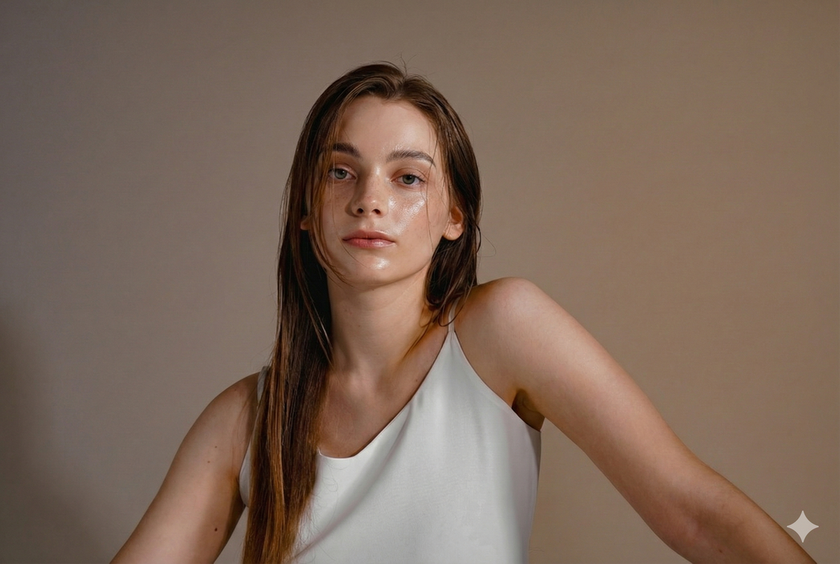
Example prompt:
“Perform natural skin retouching on the subject, smoothing only minor texture while keeping pores and natural highlights visible. Remove tiny blemishes without touching face shape or altering skin color. Keep eye and hair detail sharp.”
2. Portrait Lighting Enhancement
 Lighting defines mood more than anything else. If the original image feels flat or underlit, the model can simulate the effect of directional studio light. Using well-crafted Google Gemini photo editing prompts helps you guide it by describing the source of the light and the desired softness. When you mention specific directions like “camera left,” the tool understands the geometry and adjusts shadows naturally. It also helps to add a short note about preserving skin tone so the edit does not drift toward unwanted color shifts.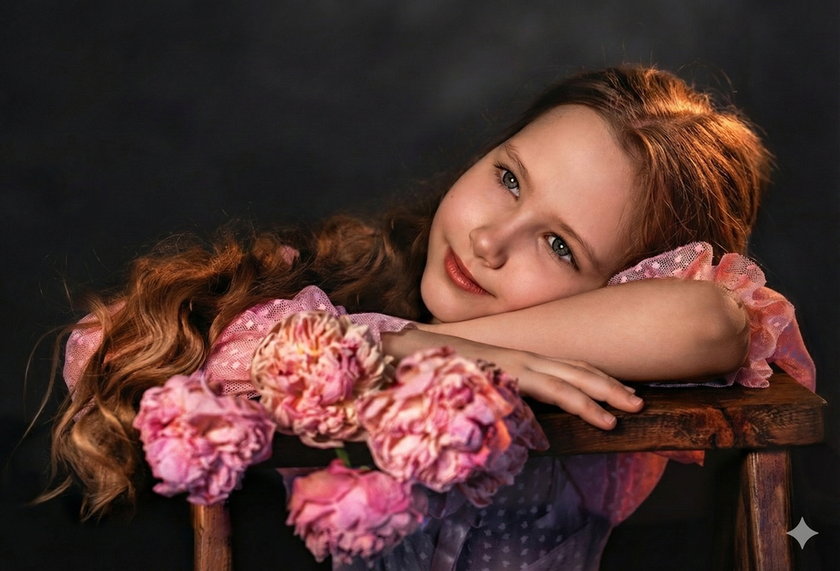
Try this prompt:
“Enhance portrait lighting to mimic soft studio light from camera left. Lift shadows slightly, add midtone contrast, keep highlights natural, and maintain realistic skin tone.”
3. Color Grading for Cinematic Look
 Cinematic color grading relies on a cool-to-warm contrast that adds depth. Gemini can recreate that look when you describe both sides of the palette. If you say you want teal shadows and warm highlights, the tool understands the film-like tone split. Adding a note about midtone clarity helps to keep faces defined. AI handles film grain well when you ask for a low, subtle level. This keeps the image textured without feeling fake.
Here’s a prompt you can use:
“Apply cinematic color grading with teal shadows and warm highlights at moderate strength. Keep skin tones natural, increase midtone clarity, and add light film grain.”
4. Background Cleanup and Distraction Removal
 Busy backgrounds can ruin otherwise strong photos. GenErase removes unwanted objects from your photos and fills gaps with matching textures to help you create clean, professional-looking images with ease. While Gemini can remove clutter, it is very important to take into consideration depth and bokeh to prevent the background from looking flat after cleaning.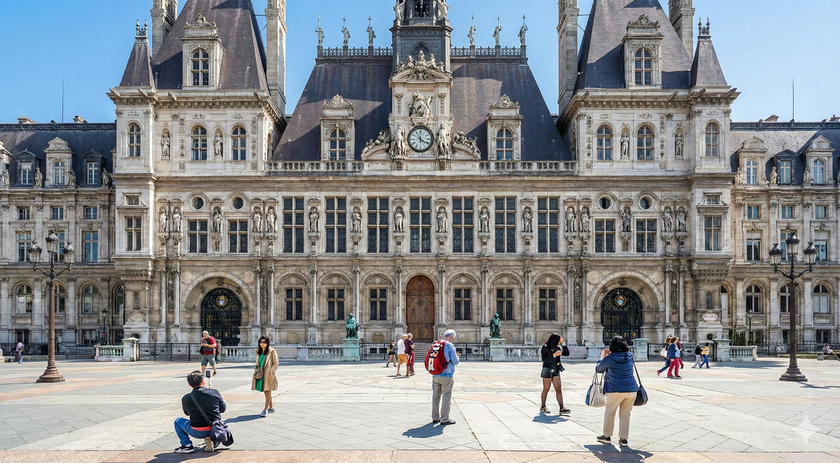
Sample prompt:
“Remove distracting background elements while preserving original depth and bokeh. Patch gaps with matching texture and avoid changes to subject edges.”
5. Blemish and Imperfection Fix
 With tight portraits or product shots, small defects such as dust, stray hairs, or minute marks distract from the main subject. Gemini handles these quite well, provided you are able to define the size of the areas that should be corrected. Mentioning texture is helpful to maintain realism, especially when shooting for e-commerce, where accuracy is paramount.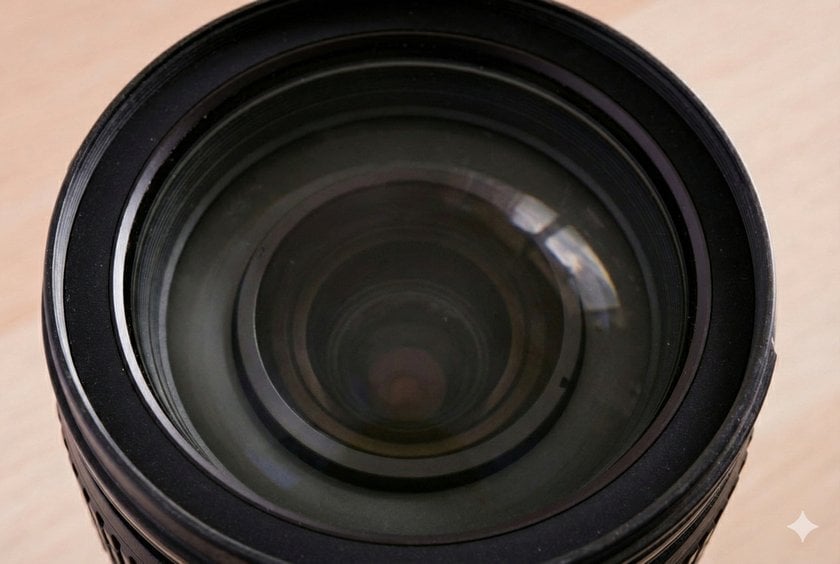
A prompt you can try:
“Target small blemishes, stray hairs, and sensor dust only, using healing that matches natural texture. Apply changes only to areas under 5 mm in the final crop.”
6. Realistic Makeup Enhancement
 Makeup edits often fail because they push colors too far or create unnatural shine. The model can make realistic adjustments when you give clear limits, and using well-crafted prompts for Gemini AI for photo editing ensures the results stay subtle and natural. Describe the depth of color you want and note that the skin texture must remain natural. Adding a small percentage helps the model keep the effect mild. This type of prompt works well for fashion and editorial shots, especially when the original makeup is already good but needs a little refinement.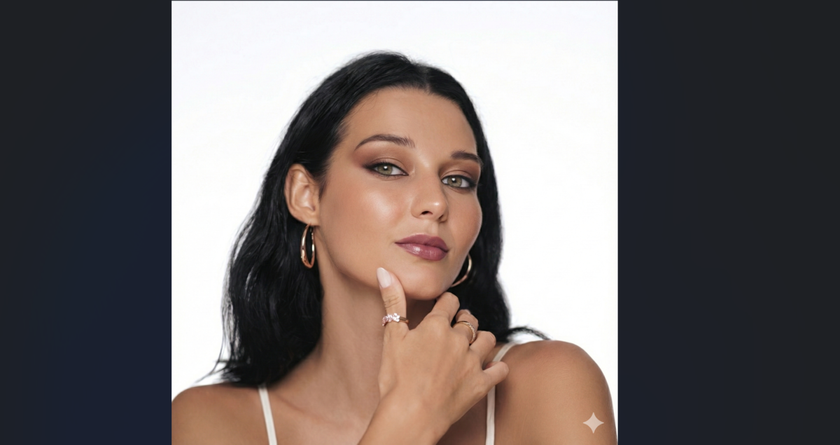
Example prompt:
“Enhance existing makeup subtly by deepening eyeshadow, sharpening eyeliner edges, and increasing lip color by about 10 percent. Avoid artificial shine and preserve natural skin texture.”
7. Outdoor Photo Tone Correction
 Outdoor photos often have uneven color because of the surrounding greenery or reflected light. A small green cast is common, and Gemini can fix it when you mention the exact issue. It also helps to note that sky gradients must remain smooth. This prevents the model from over-correcting and creating banding. You can also ask to recover highlights, which keeps outdoor images from looking flat.
Practical prompt example:
“Correct outdoor tones by reducing green cast slightly, recovering highlight detail, and warming midtones. Keep sky gradients smooth and preserve tree detail.”
8. Black-and-White Artistic Conversion
 A good black-and-white edit needs more than just removing color. It needs proper contrast, clean shadows, and attention to luminance. When you describe the desired tone range, Gemini converts the image with more intention. Mentioning texture and grain helps create an artistic look rather than a flat grayscale.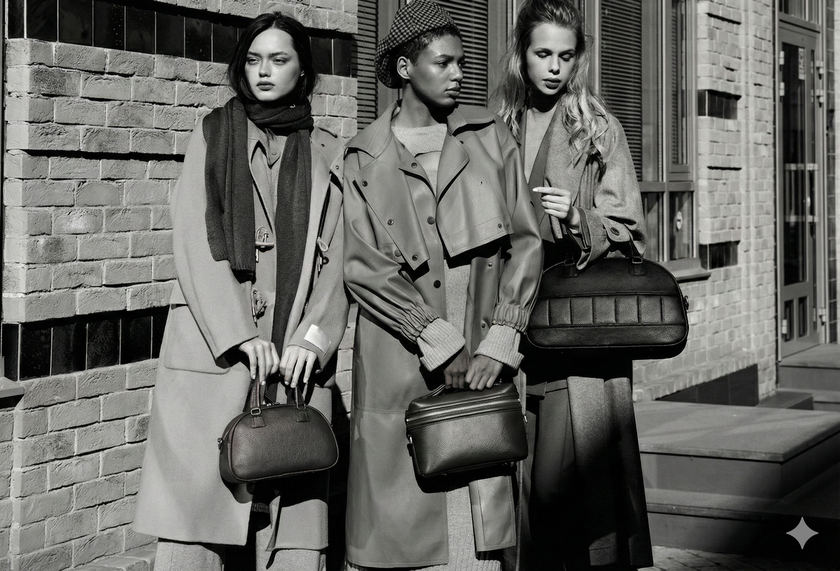
Practical prompt example:
“Convert the photo to black and white with strong contrast and deep blacks while preserving shadow detail. Emphasize texture and grain and keep skin luminance in the midtone range.”
9. Product Photo Polish and Sharpen
 Product images need clarity and accuracy. Gemini can remove tiny flaws, enhance edges, and preserve color at the same time. Using a ChatGPT prompt for photo editing can help maintain this precision. Adding a color accuracy limit keeps the product faithful to real-world appearance. This is useful for brands that rely on consistency.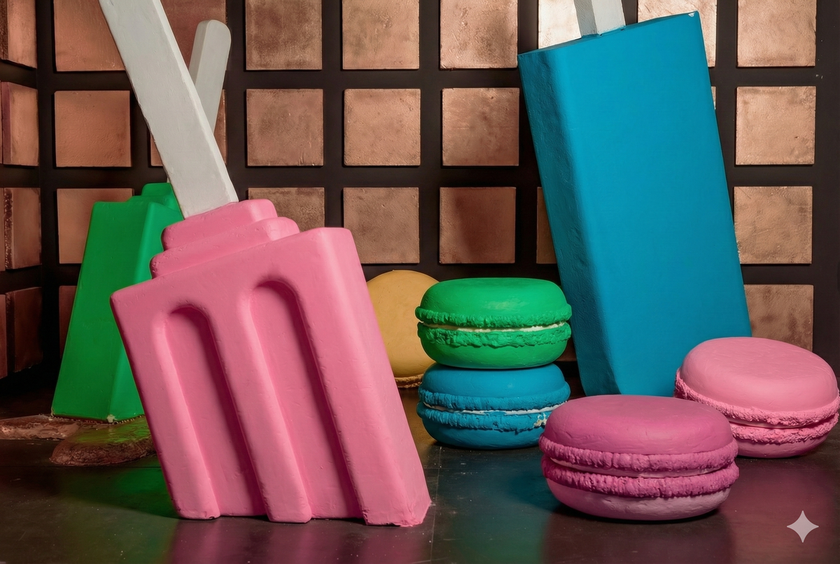
Example prompt:
“Polish product photo by removing dust and scratches, sharpening edges selectively, and enhancing material texture. Keep color accuracy within 2 percent of the original sample.”
10. Social Media-Ready Aesthetic Edit
 Mobile viewers notice saturation, contrast, and sharpness differently from desktop viewers. You can guide Gemini to prepare a version optimized for small screens by describing the target crop, desired sharpness, how much saturation to increase, and leveraging image color transfer so colors remain consistent across devices. This helps your photo stand out in feeds without looking over-edited.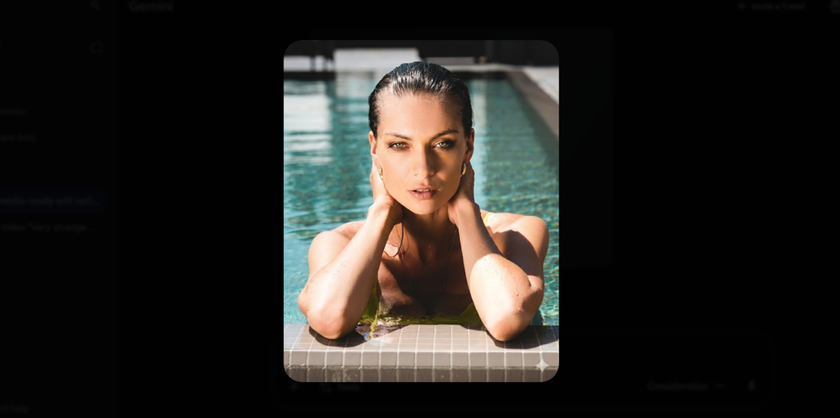
A prompt you can try:
“Create a social media-ready edit optimized for small screens by increasing perceived sharpness, boosting saturation by about 6 percent, cropping to 4:5 when needed, and preserving facial detail.”
Summing It Up
Gemini works best when you give it simple, clear instructions with a single goal and a few limits. Each prompt becomes a small recipe you can reuse for similar shots, making your workflow much more efficient. As you test and adjust them, you build your own library of edits that fit your style, so you spend less time guessing and more time shooting.
Over time, you’ll notice patterns in what works best for your photos, whether it’s portraits, landscapes, or product shots. With this approach, you get predictable, natural results that save time and keep the creative feel of your photography, while still leaving room to experiment with new looks and ideas.